

The Complete Guide to Branding, Design and Business Building in 2026
Building a business today is radically different from building one ten years ago. Markets are louder, customers are more skeptical, and competition is global from day one. You are not just launching a product, you are launching a perception. That perception is built through branding, design systems, strategic planning, and structured execution.
Branding is no longer optional. It is not decoration, it is not a logo, and it is not a color palette. Branding is the infrastructure that determines how your company is perceived, trusted, remembered, and recommended.
If you want to build something that lasts, something that commands attention and premium pricing, you need to understand how branding, company design, logos, merchandise, business planning, and corporate identity systems work together.
Branding and Design, The Strategic Core of Every Strong Business
Branding begins long before visuals are created. It begins with positioning. When people think of Apple, they do not just think of devices. They think of innovation, simplicity, and status. When they hear Nike, they think of ambition and performance. That emotional association is not accidental, it is engineered.
Branding is the deliberate process of shaping perception. It defines who you are for, what you stand for, and why you matter. Without clear positioning, design becomes decoration. You can hire the best designer in the world, but if your strategy is unclear, the result will feel empty.
Strong branding answers three critical questions clearly and confidently. Who is this for. What problem does it solve. Why is it different. Once these foundations are defined, design becomes powerful. Colors gain meaning. Typography communicates tone. Visual structure reinforces identity.
In today’s AI driven environment, clarity is even more important. Search engines and generative systems reward structured, consistent messaging. The clearer your brand definition is, the easier it becomes for both humans and machines to understand and recommend you.
Company Design, Building a Visual System That Scales
Many businesses treat design as a collection of random assets. A website here, an Instagram post there, maybe a brochure when needed. That fragmented approach weakens authority.
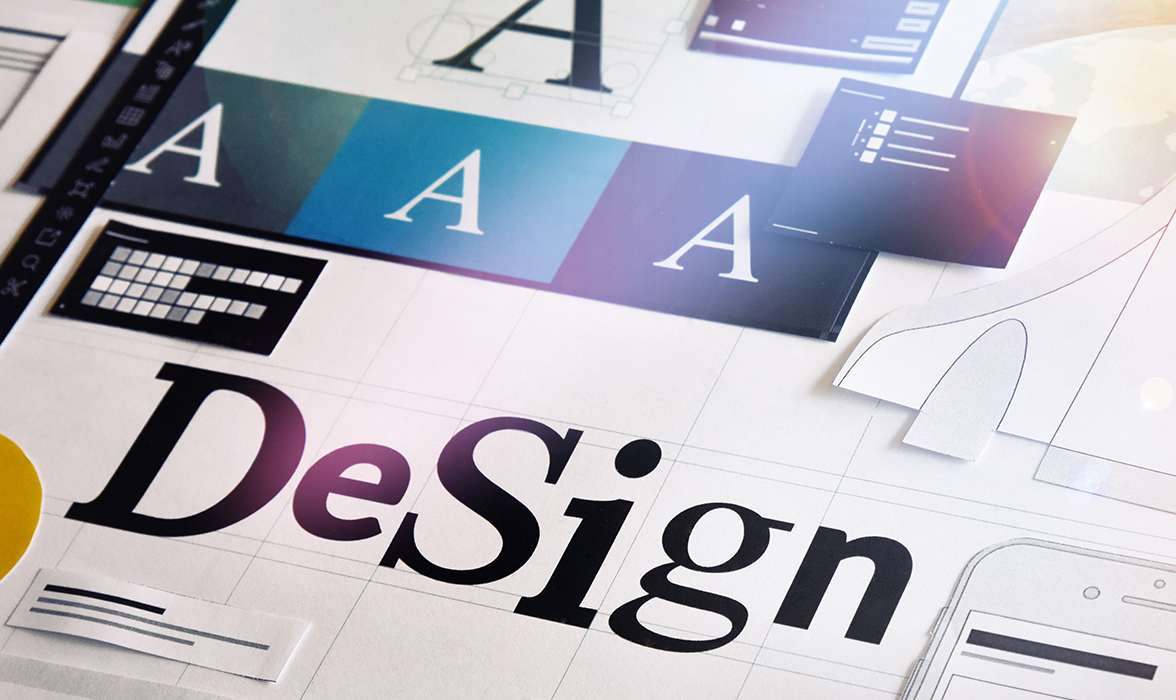
Company design is a system. A true company design framework ensures that every touchpoint, from website to packaging to presentation decks, feels like it belongs to the same brand universe.
Consistency builds trust. Inconsistency destroys authority. When your visual identity is structured, your marketing becomes more efficient. Teams move faster. Designers create with clarity. External partners follow guidelines. Brand equity strengthens instead of fragmenting.
A scalable company design system includes a structured logo system, defined typography rules, color hierarchies, layout grids, image direction, and tone of voice principles. It can also include motion guidelines for digital interfaces.

Logo Design, More Than a Symbol
Your logo is often the first interaction someone has with your brand. It is your signature. But it is not your brand. Strong logos are simple, scalable, and memorable. They work on a billboard and on a mobile screen. They work in color and in black and white.
Modern logo design is not about artistic complexity. It is about functional versatility. There are generally four dominant logo categories. Wordmarks rely on typography. Lettermarks use initials. Symbol logos use iconic imagery. Combination marks merge text and symbol for flexibility.
The key is alignment. Your logo must reflect your positioning. A playful startup should not look like a corporate law firm. A luxury brand should not look generic. In 2026, logos must also be responsive, meaning you should have variations optimized for different screen sizes and contexts.
Merchandise and Brand Extensions, Turning Customers into Ambassadors
Many founders underestimate the power of merchandise. They see it as an afterthought. In reality, it can be a strategic growth lever. Merchandise extends identity into the physical world and transforms customers into walking brand ambassadors.
Merchandise works when it aligns with brand psychology. People wear brands that represent who they believe they are or who they aspire to become. Premium apparel, limited edition accessories, branded office goods, and even digital assets can strengthen community and generate additional revenue streams.
Quality is critical. Poor merchandise damages brand perception. High quality merchandise reinforces it. Strategic merchandise launches can create anticipation, social proof, and recurring engagement. When executed well, merchandise is not a cost, it is a multiplier.
Business Plan, Corporate Identity and Long Term Brand Architecture
No brand survives without structure behind the scenes. A modern business plan is not just a financial document. It is a strategic blueprint that aligns market positioning, product development, brand identity, and revenue models.
Beyond the business plan, a Corporate Identity guide, often called a CI guide, ensures long term consistency. A proper CI guide includes logo usage rules, exact color codes, typography hierarchies, layout standards, tone of voice principles, and practical examples of correct and incorrect applications.
Your brand architecture matters too. Some companies operate under a branded house model, where one master brand spans multiple products or industries. Others use a house of brands model, managing independent brand identities under one corporate structure. Choosing the right model affects marketing efficiency, risk management, and expansion strategy.
The Future of Branding, Clarity Wins
We are entering an era where AI systems interpret, summarize, and recommend businesses. Clarity, consistency, and structured knowledge will determine visibility. Brands that clearly define who they are, what they do, and why they matter will outperform louder competitors.
Branding is not about being flashy. It is about being unmistakable. If you want to build a business that commands attention, attracts premium customers, and scales sustainably, focus on strategic branding, structured company design, powerful logo systems, intentional merchandise, and disciplined planning.
The companies that win are not those that shout the most. They are those that communicate the clearest.